
Leading fertility lawyers who create families
With unrivalled experience helping create UK families. we know that children thrive with love no matter what their family’s structure or how it was made.
The UK’s most experienced surrogacy and fertility lawyers
We have helped create nearly 2,000 families through surrogacy, and acted in nearly all the leading cases which have shaped UK surrogacy law. We make the law work on the ground, offering a full range of UK legal services and winning change for our surrogacy community.

Donor conception and assisted reproduction law services
We help families being created in different ways, including known donation, multi-parent families and LGBT+ parents.
Whether you are making a pre-conception agreement, resolving legal parenthood or securing British nationality for your child, we can help.
Adoption law services
Adoption orders can be used to secure the status of families, including LGBT+ families, step-parents and parents who have conceived through assisted reproduction or adopted overseas.
Whether you need to protect your legal parenthood, secure recognition of an overseas adoption or resolve British nationality for your child, we can help.

Making a difference
We push boundaries, both through our legal cases and by taking every opportunity to move law and policy foward.
We have been behind many of the positive legal steps forward for LGBT+ families and families created through assisted reproduction over the past 15 years.

Sharing our knowledge
Our free online Knowledge Centre contains guidance and resources on surrogacy, conception and adoption law, and is widely relied upon by families and professionals.
Our leading fertility law cases
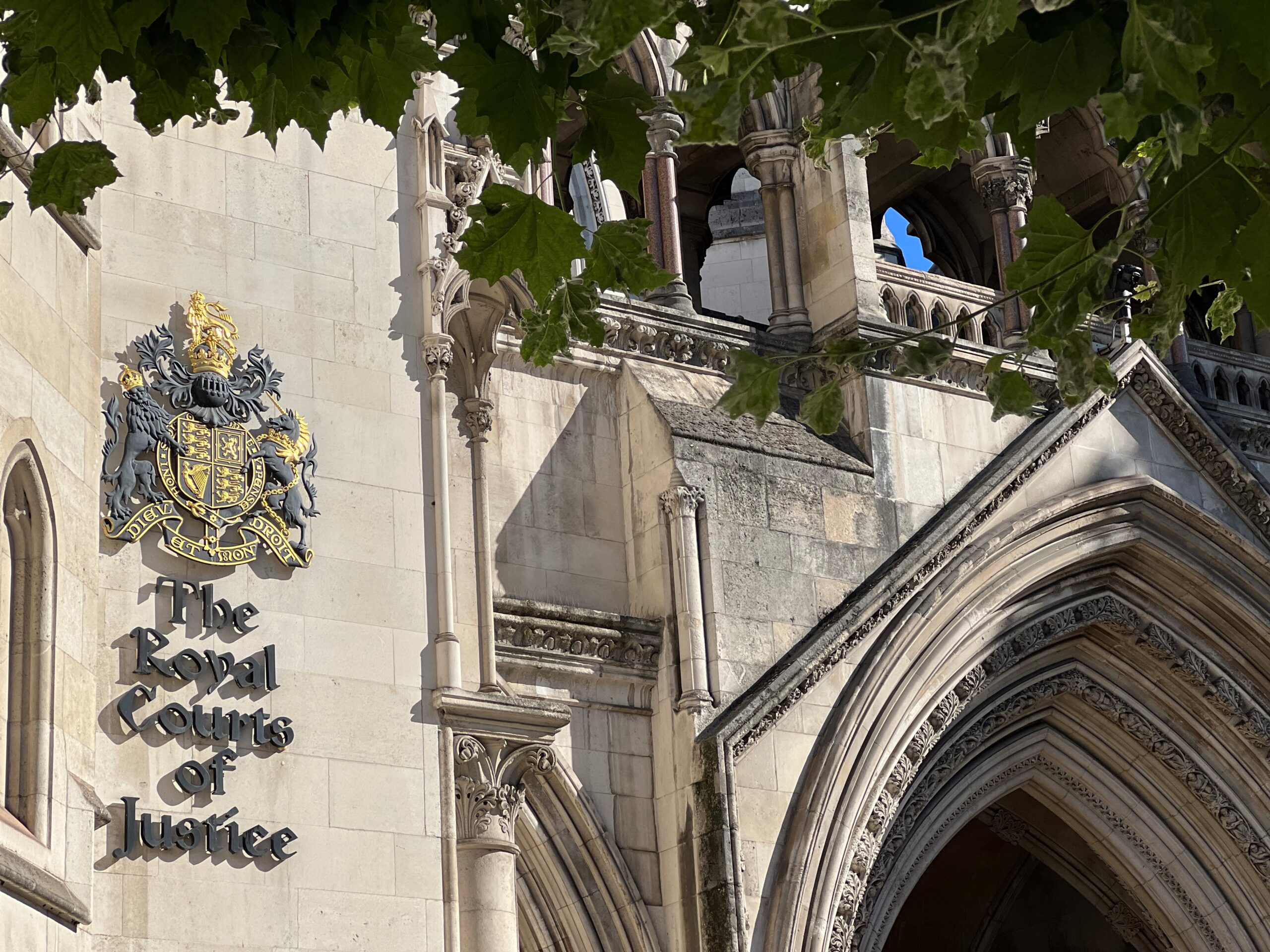
We have managed many cases which have set legal precedents on surrogacy, sperm donation, LGBT+ parenting, posthumous conception and embryo storage.
Our leading cases have made outdated legal principles work for the modern world, and created paths for other families to follow.
Considering surrogacy and need more support?
Our sibling organisation, Brilliant Beginnings, is a non-profit surrogacy agency, founded by the NGA Law directors in 2013 to support safe ethical surrogacy.
Brilliant Beginnings offers personal advice consultations as well as managed surrogacy pathways in the UK and USA which include full legal support from NGA Law.
What our clients say to us…
Still have questions?
If you need legal advice or want to make an appointment, feel free to get in touch.
We are here to help however we can.